
"moldy beans"
2000 article(s) found

How to tell if coffee beans are moldy what it would be like if they were cooked with moldy raw coffee beans?
How to tell if coffee beans are moldy? what kind of washing would it be like to stir-fry moldy raw coffee beans: put the harvested fruit in a flowing sink, remove the floating fruit, and use a pulp remover to peel off the skin and flesh. Then put it in the sink to remove the emerging pulp. After that, it is moved into the fermentation tank, soaked for half a day to a day, and then the gum on the surface of the fermented coffee bean

What are the types of coffee "defective beans"? How to distinguish defective beans in coffee?
More information about coffee beans Please pay attention to coffee workshop (Wechat official account cafe_style) mildew beans grow cyan and white because they are not completely dry or are too wet during transportation and storage, which sometimes make the beans stick together. If these moldy beans are not removed, they will produce a moldy smell. Dead beans. Beans with abnormal results. Color is not
How about eating expired Arabica coffee beans? moldy Arabica coffee beans Sumatra Indonesia
Is it good to eat expired Arabica coffee beans? It's hard to say. It depends on the situation. 1. Moldy Arabica coffee beans it doesn't matter if you eat moldy Arabica coffee beans. You just have to stay in the hospital for ten or eight days. 2. the shell of Arabica coffee beans is white if the shell is white.

Introduction of several kinds of defective beans
Moldy beans: because of incomplete drying, or damp in the process of transportation and storage, cyan and white molds grow, which sometimes make the beans stick together. If these moldy beans are not removed, they will produce moldy smell. Dead beans: beans with abnormal results. The color is not easy to change because of baking, so it is easy to distinguish. The flavor is thin, as harmful as silver skin, and will become different.
Introduction of several defective beans of Coffee beans
Moldy beans: because of incomplete drying, or damp in the process of transportation and storage, cyan and white molds grow, which sometimes make the beans stick together. If these moldy beans are not removed, they will produce moldy smell. Dead beans: beans with abnormal results. The color is not easy to change because of baking, so it is easy to distinguish. The flavor is thin, as harmful as silver skin, and will become a peculiar smell.
Distinguish coffee defective beans
Moldy beans: because of incomplete drying, or damp in the process of transportation and storage, cyan and white molds grow, which sometimes make the beans stick together. If these moldy beans are not removed, they will produce moldy smell. Dead beans: beans with abnormal results. The color is not easy to change because of baking, so it is easy to distinguish. The flavor is thin, as harmful as silver skin, and will become a peculiar smell.

Introduce several kinds of coffee defective beans
Moldy beans: because of incomplete drying, or damp in the process of transportation and storage, cyan and white molds grow, which sometimes make the beans stick together. If these moldy beans are not removed, they will produce moldy smell. Dead beans: beans with abnormal results. The color is not easy to change because of baking, so it is easy to distinguish. The flavor is thin, as harmful as silver skin, and will become different.
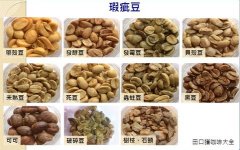
Introduction to Coffee basic knowledge, Fine Coffee and defective beans
Moldy beans: because of incomplete drying, or damp in the process of transportation and storage, cyan and white molds grow, which sometimes make the beans stick together. If these moldy beans are not removed, they will produce moldy smell. Dead beans: beans with abnormal results. The color is not easy to change because of baking, so it is easy to distinguish. The flavor is thin, as harmful as silver skin, and will become a peculiar smell.
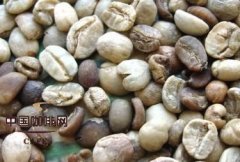
Basic knowledge of boutique coffee defective beans
Moldy beans: because of incomplete drying, or damp in the process of transportation and storage, cyan and white molds grow, which sometimes make the beans stick together. If these moldy beans are not removed, they will produce moldy smell. Dead beans: beans with abnormal results. The color is not easy to change because of baking, so it is easy to distinguish. The flavor is thin, as harmful as silver skin, and will become a peculiar smell.

The basic knowledge of Coffee defective beans
Moldy beans: because of incomplete drying, or damp in the process of transportation and storage, cyan and white molds grow, which sometimes make the beans stick together. If these moldy beans are not removed, they will produce moldy smell. Dead beans: beans with abnormal results. The color is not easy to change because of baking, so it is easy to distinguish. The flavor is thin, as harmful as silver skin, and will become a peculiar smell.
Introduction of several kinds of defective beans in basic knowledge of Coffee
Moldy beans: because of incomplete drying, or damp in the process of transportation and storage, cyan and white molds grow, which sometimes make the beans stick together. If these moldy beans are not removed, they will produce moldy smell. Dead beans: beans with abnormal results. The color is not easy to change because of baking, so it is easy to distinguish. The flavor is thin, as harmful as silver skin, and will become a peculiar smell.
Several kinds of coffee defective beans are introduced.
Moldy beans: because of incomplete drying, or damp in the process of transportation and storage, cyan and white molds grow, which sometimes make the beans stick together. If these moldy beans are not removed, they will produce moldy smell. Dead beans: beans with abnormal results. The color is not easy to change because of baking, so it is easy to distinguish. The flavor is thin, as harmful as silver skin, and will become a peculiar smell.

Introduction of defective beans in coffee roasting
Moldy beans: because of incomplete drying, or damp in the process of transportation and storage, cyan and white molds grow, which sometimes make the beans stick together. If these moldy beans are not removed, they will produce moldy smell. Dead beans: beans with abnormal results. The color is not easy to change because of baking, so it is easy to distinguish. The flavor is thin, as harmful as silver skin, and will become a peculiar smell.

The defects of high-quality coffee beans introduce the basic knowledge of coffee
Moldy beans: because of incomplete drying, or damp in the process of transportation and storage, cyan and white molds grow, which sometimes make the beans stick together. If these moldy beans are not removed, they will produce moldy smell. Dead beans: beans with abnormal results. The color is not easy to change because of baking, so it is easy to distinguish. The flavor is thin, as harmful as silver skin, and will become a peculiar smell.
Basic knowledge of boutique coffee introduces several kinds of coffee defective beans
Moldy beans: because of incomplete drying, or damp in the process of transportation and storage, cyan and white molds grow, which sometimes make the beans stick together. If these moldy beans are not removed, they will produce moldy smell. Dead beans: beans with abnormal results. The color is not easy to change because of baking, so it is easy to distinguish. The flavor is thin, as harmful as silver skin, and will become a peculiar smell.

High-quality coffee beans defective beans in coffee baking
Moldy beans: because of incomplete drying, or damp in the process of transportation and storage, cyan and white molds grow, which sometimes make the beans stick together. If these moldy beans are not removed, they will produce moldy smell. Dead beans: beans with abnormal results. The color is not easy to change because of baking, so it is easy to distinguish. The flavor is thin, as harmful as silver skin, and will become a peculiar smell.

Basic knowledge of boutique coffee beans introduction to several kinds of coffee defective beans
Moldy beans: because of incomplete drying, or damp in the process of transportation and storage, cyan and white molds grow, which sometimes make the beans stick together. If these moldy beans are not removed, they will produce moldy smell. Dead beans: beans with abnormal results. The color is not easy to change because of baking, so it is easy to distinguish. The flavor is thin, as harmful as silver skin, and will become a peculiar smell.
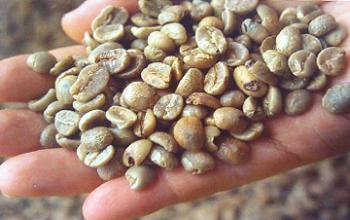
Detailed introduction of coffee beans: introduction of the classification characteristics and shapes of several kinds of defective beans
Coffee training several kinds of defective beans introduce moldy beans: because of incomplete drying, or damp during transportation and storage, cyan and white molds grow, which sometimes make the beans stick together. If these moldy beans are not removed, they will produce a moldy smell. Dead beans: beans with abnormal results. The color is not easy to change because of baking, so it is easy to distinguish. The flavor is thin, with silver skin
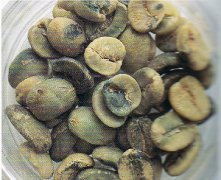
Fine coffee what are the defective beans in coffee beans?
Next, I would like to introduce several kinds of defective beans. Moldy beans: because of incomplete drying, or damp in the process of transportation and storage, cyan and white molds grow, which sometimes make the beans stick together. If these moldy beans are not removed, they will produce moldy smell. Dead beans: beans with abnormal results. The color is not easy to change because of baking, so it is easy to distinguish. Wind

Knowledge | Classification of defective beans
If too many defective beans are mixed into coffee roasting, the color of the finished product will be mottled. Compared with normal beans, defective beans oxidize very quickly and sometimes turn white after baking. Cheap coffee beans are often sold in stores such as supermarkets or coffee shops. if you open those packages, you can find that they are mixed with a lot of unevenly roasted beans.